ALT EFF 2026: What on Earth are we watching?
The planet has quite the story to tell. Fortunately, it has an entire film festival dedicated to telling it.

The planet has quite the story to tell. Fortunately, it has an entire film festival dedicated to telling it.
There’s a peculiar thing about nature documentaries. We can spend an entire evening emotionally invested in the whereabouts of a penguin we’ve known for approximately forty minutes, yet walk past the same tree every morning without knowing what it’s called.
Credit where it’s due, the penguin had an excellent cinematographer.
But it does make you wonder how much of the world we inhabit we actually know.
What might we discover if we looked at it through the eyes of a filmmaker, an artist, a farmer or someone whose relationship with nature is entirely different from our own?
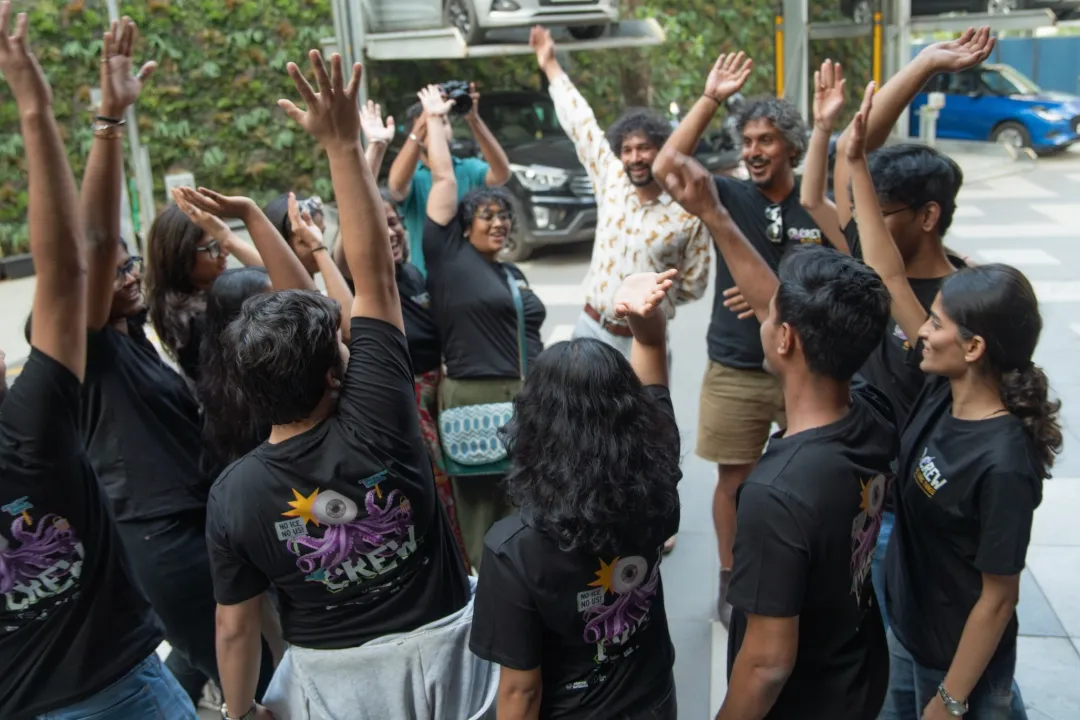
Returning for its seventh edition from 3–13 December 2026, the All Living Things Environmental Film Festival (ALT EFF) is the world’s largest decentralised environmental film festival.
Cinema is only the beginning. Through art, workshops, performances and conversations, the festival invites us to explore our relationship with the living world.
This year’s theme? Meet the Times.
THE PLOT IS QUITE LITERALLY GROWING
Some of the most interesting questions raised by ALT EFF's film programme have as much to do with what happens behind the camera as what happens in front of it.
How, for instance, do you make a film about the environment without overlooking the environmental footprint of making the film itself?
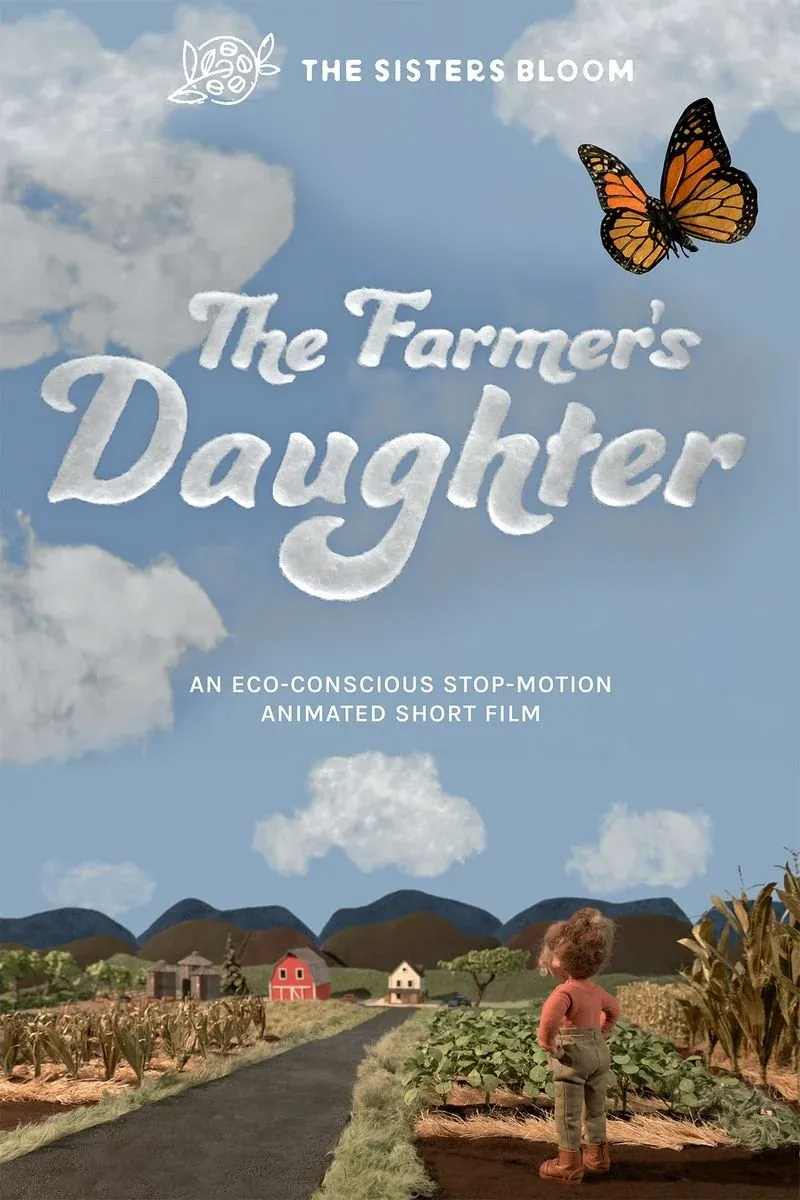
Filmmaker Melissa Bloom gave that some thought. In her stop-motion short The Farmer’s Daughter, a story about regenerative agriculture, even the materials used to make the film are part of the experiment. Mushroom foam and biodegradable 3D-printing filament aren’t things you’d ordinarily expect to find on a film set.
While Bloom reconsiders the way films are made, filmmaker Juliette Chapalain takes us to Benin to reconsider the way we think about conservation.
In Benin: Vodun to the Rescue of Mangroves, she explores the intersection of spiritual beliefs, science and community governance. An ancient tradition finds itself at the centre of a very contemporary environmental conversation.
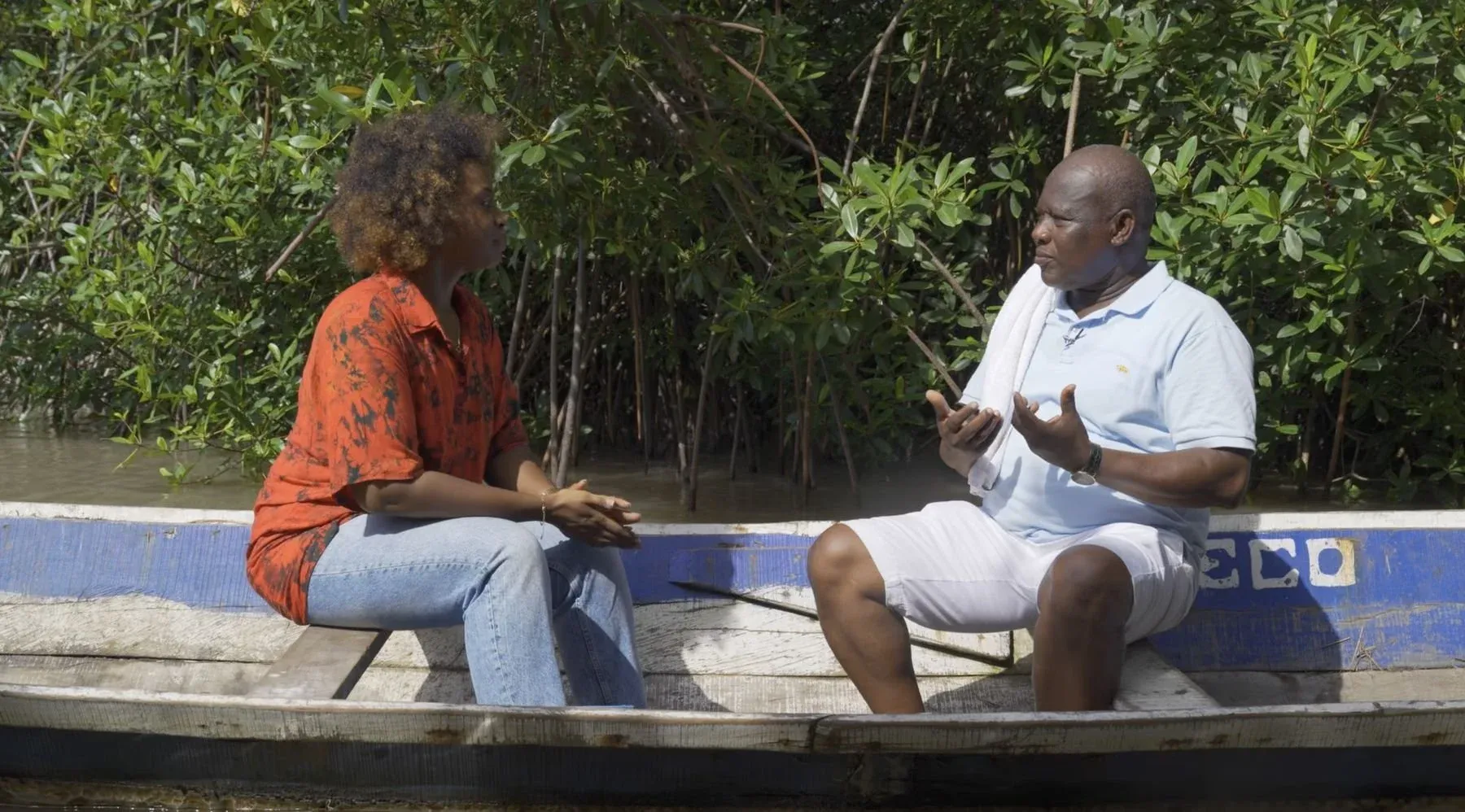
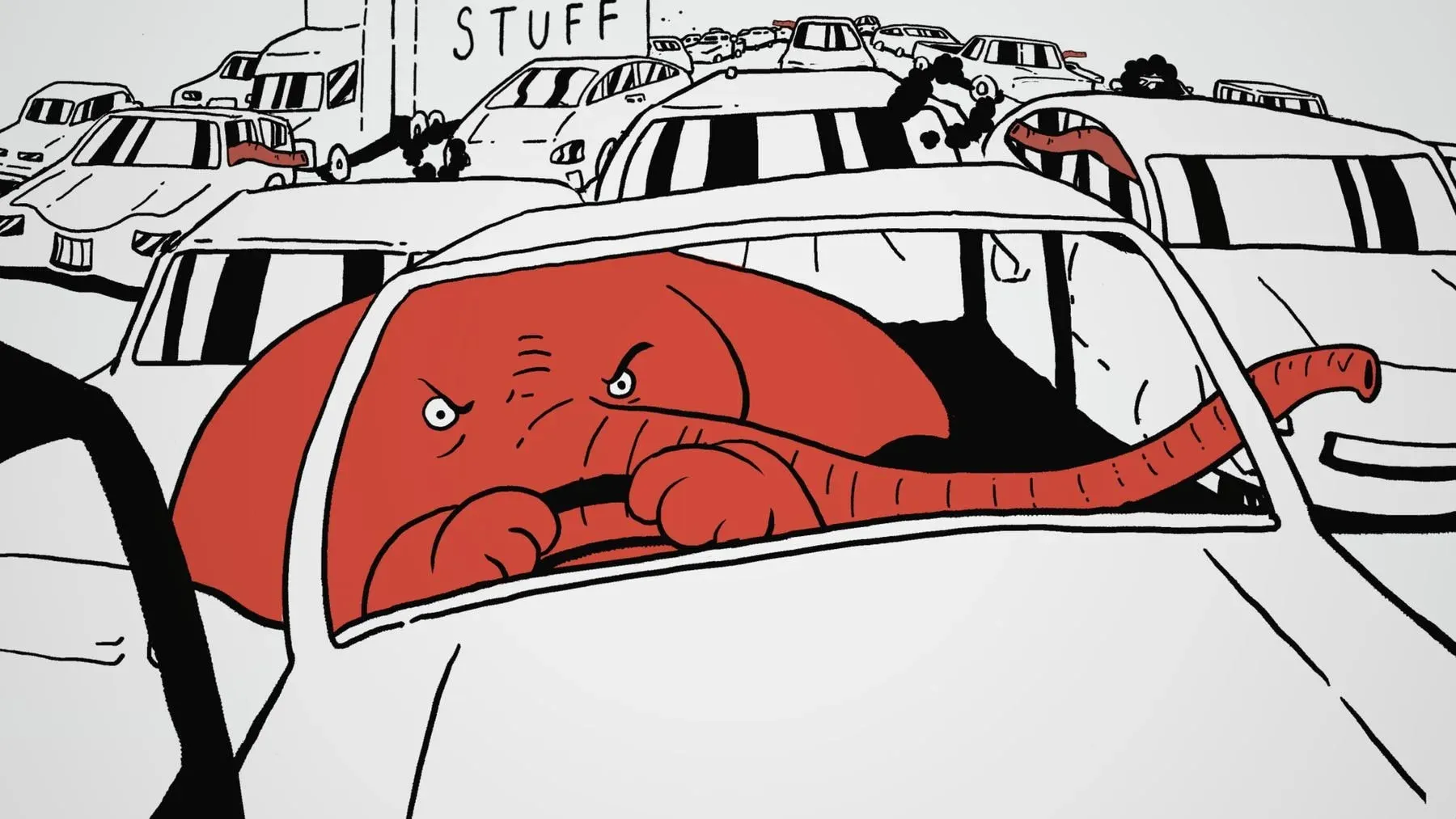
Two film stills, side by side: Benin: Vodun to the Rescue of Mangroves and No One is an Island
But what happens when we look ahead rather than back?
In No One is an Island, animation brings a possible net-zero 2050 to life, exploring what a good quality of life could look like within the planet’s limits.
For a change, here’s a film about the future that gives us something to look forward to.
Between these three films alone, we’ve gone from mushroom foam to mangroves to the year 2050. And we’ve barely made a dent in the programme.
THINKING OUTSIDE THE BOX OFFICE
With so many different stories to tell, why limit ourselves to one way of telling them?
This year, ALT EFF introduces a dedicated immersive strand curated by Sonia Parekh.The festival describes it as the first dedicated immersive strand at an Indian film festival.
Among the VR projects are 12°C: When the Sea Boils and The Forest Between, where the world beyond the screens becomes the world around you.
But immersion needn’t always involve technology.
At the Bengaluru flagship, Fungi Foundation explores fungal folklore through a zine-making workshop, while Listen - The Sonic Life of Nature introduces participants to the natural world through sound.
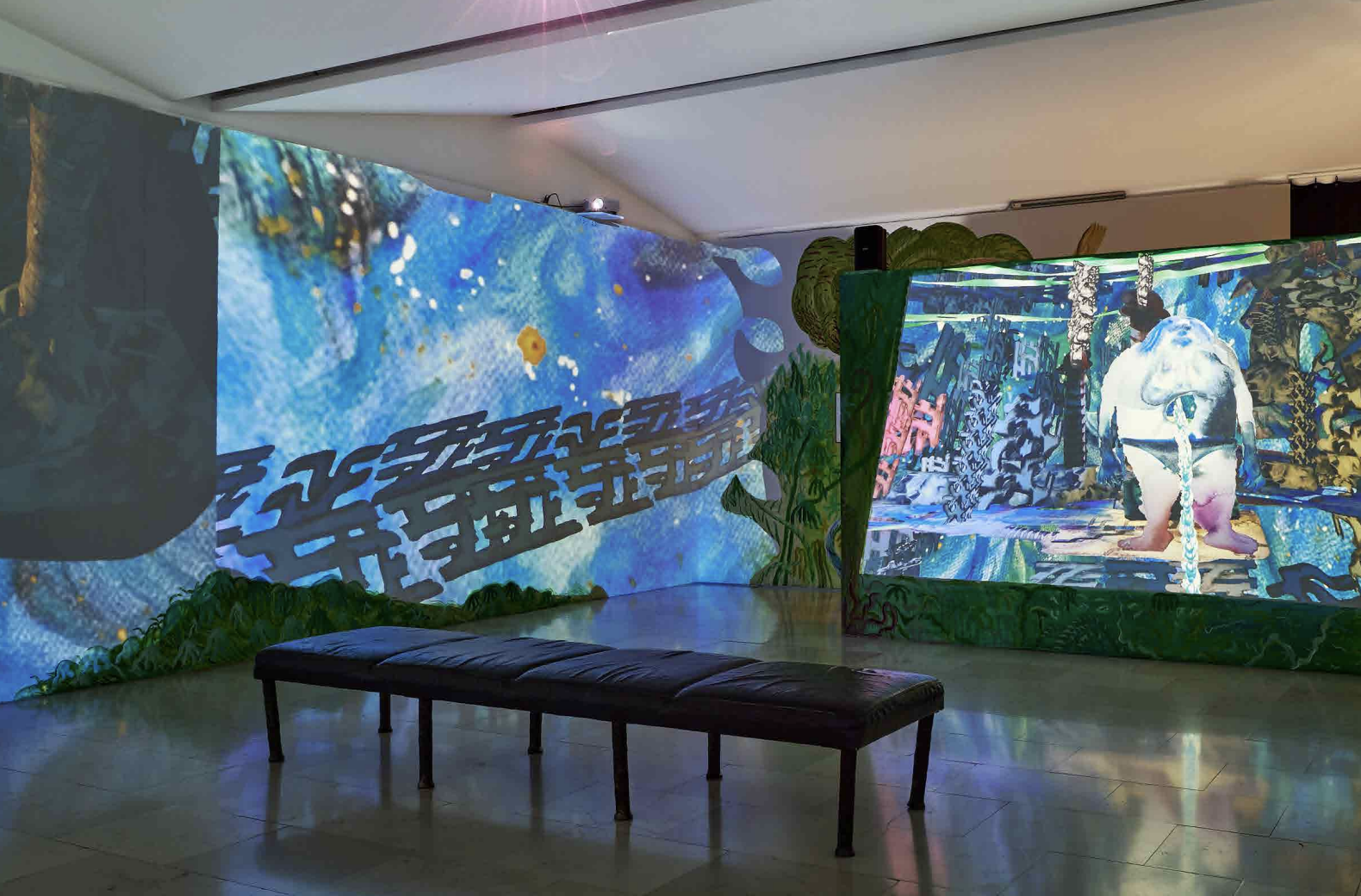
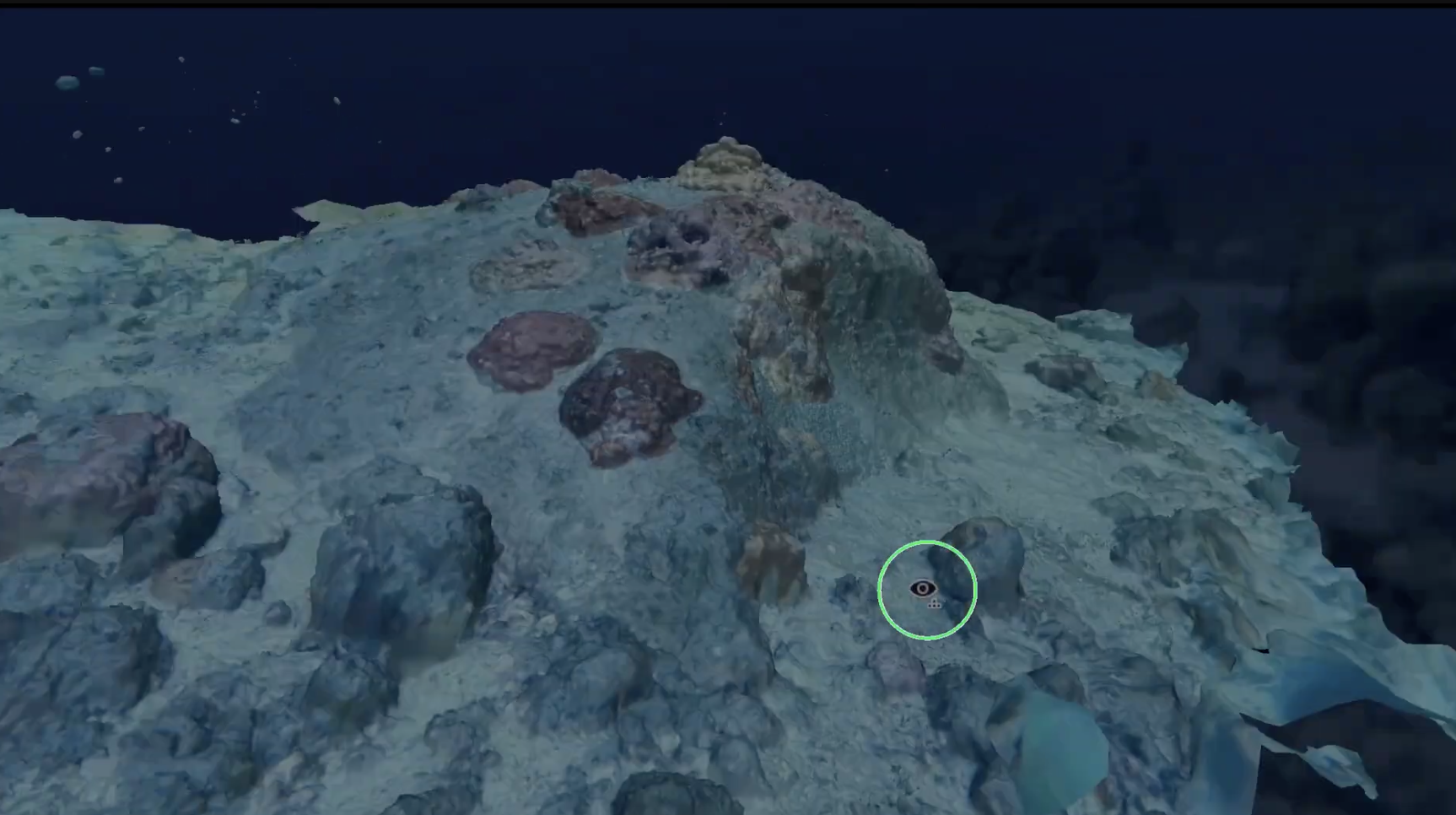
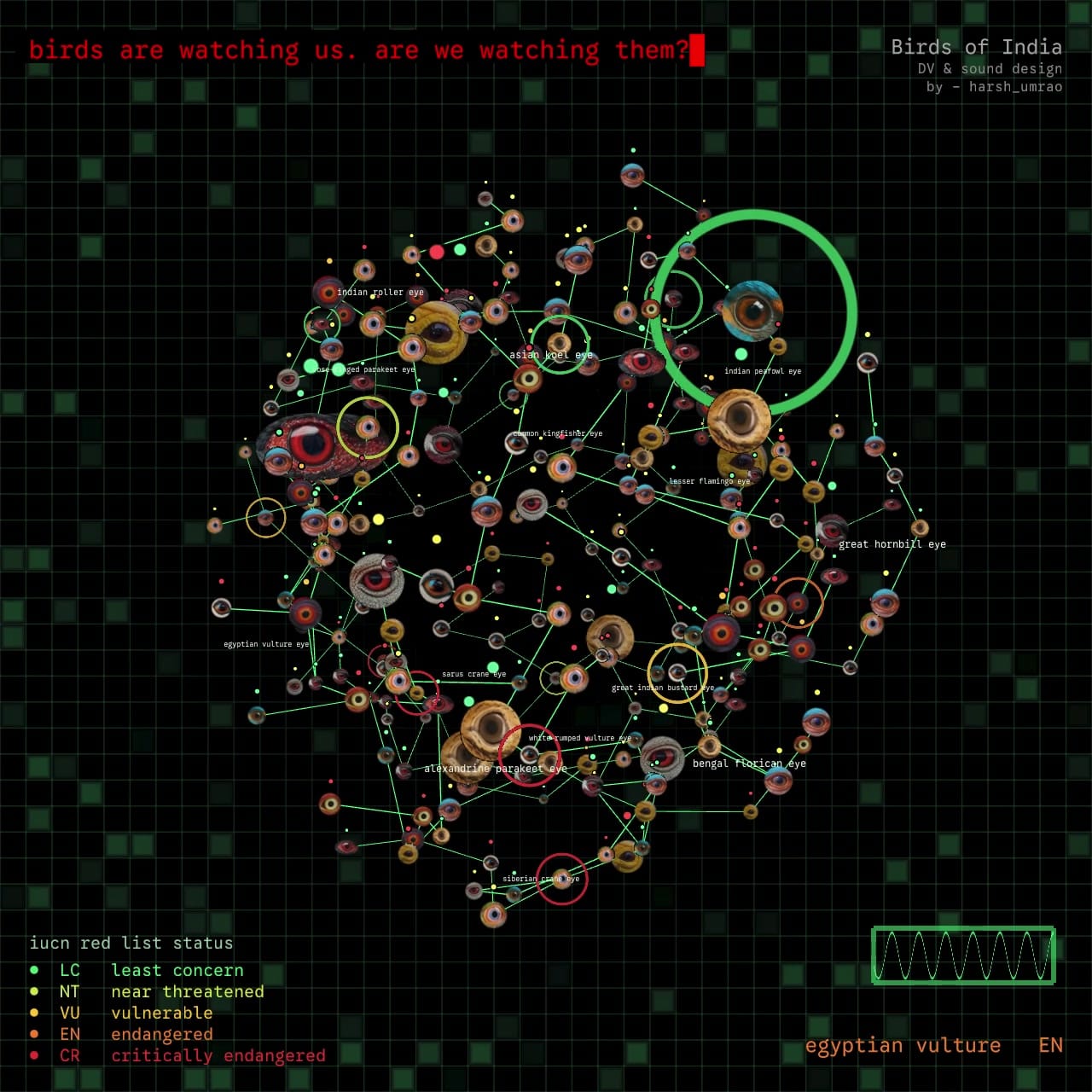
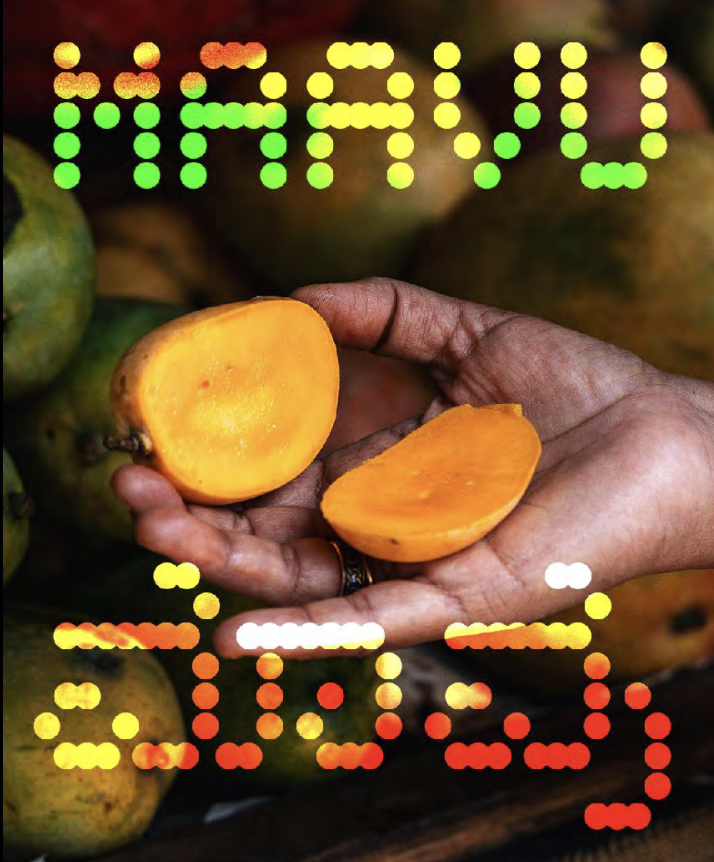
Some of ALT EFF’s immersive programmes
LET’S TALK ABOUT THE ELEPHANT IN THE ROOM
Anyone who’s watched a particularly good film with a friend knows that the walk back from the cinema can be an event in itself. There’s the inevitable disagreement over what a scene meant, followed by an unnecessarily passionate defence of a fictional character.
At ALT EFF, filmmaker Q&As and panel discussions give those post-film conversations a place of their own. A chance to question what you’ve watched, hear from the people behind it and encounter perspectives you might not have considered.
But dialogues can take many forms.
Satire, for instance, has a rather clever way of holding a mirror up to society. It’s the medium of choice at Mumbai’s Eco-Illogical, a climate-themed stand-up show hosted by Andy Reghu. At the Bengaluru flagship, it’s music, with Climate Emergency Mixtape, a multilingual rap album by independent Indian artists exploring the climate crisis.
After all, there’s more than one language in which to talk about the world we share.

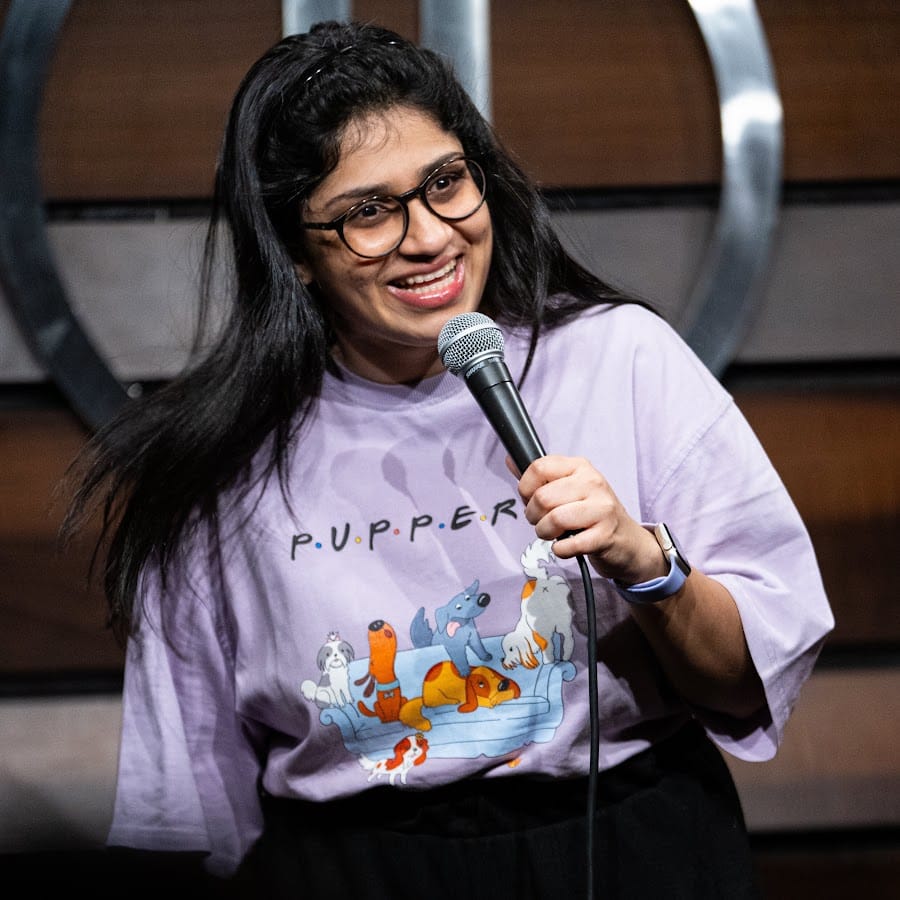
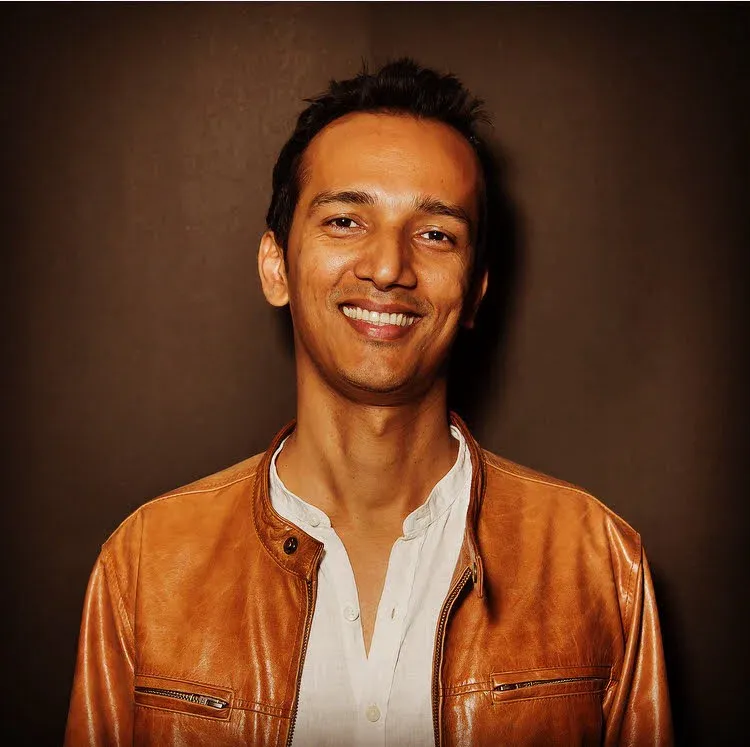
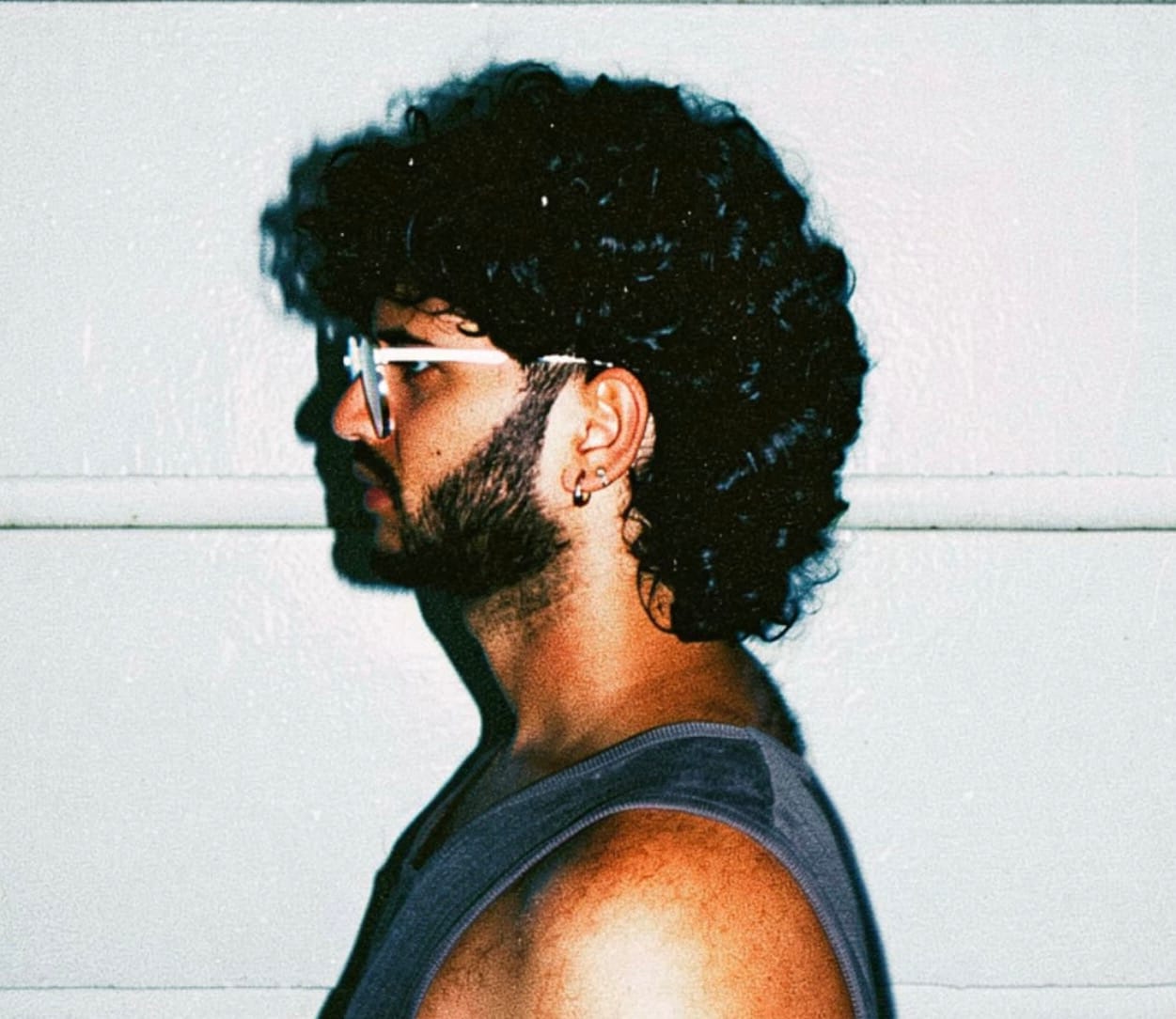
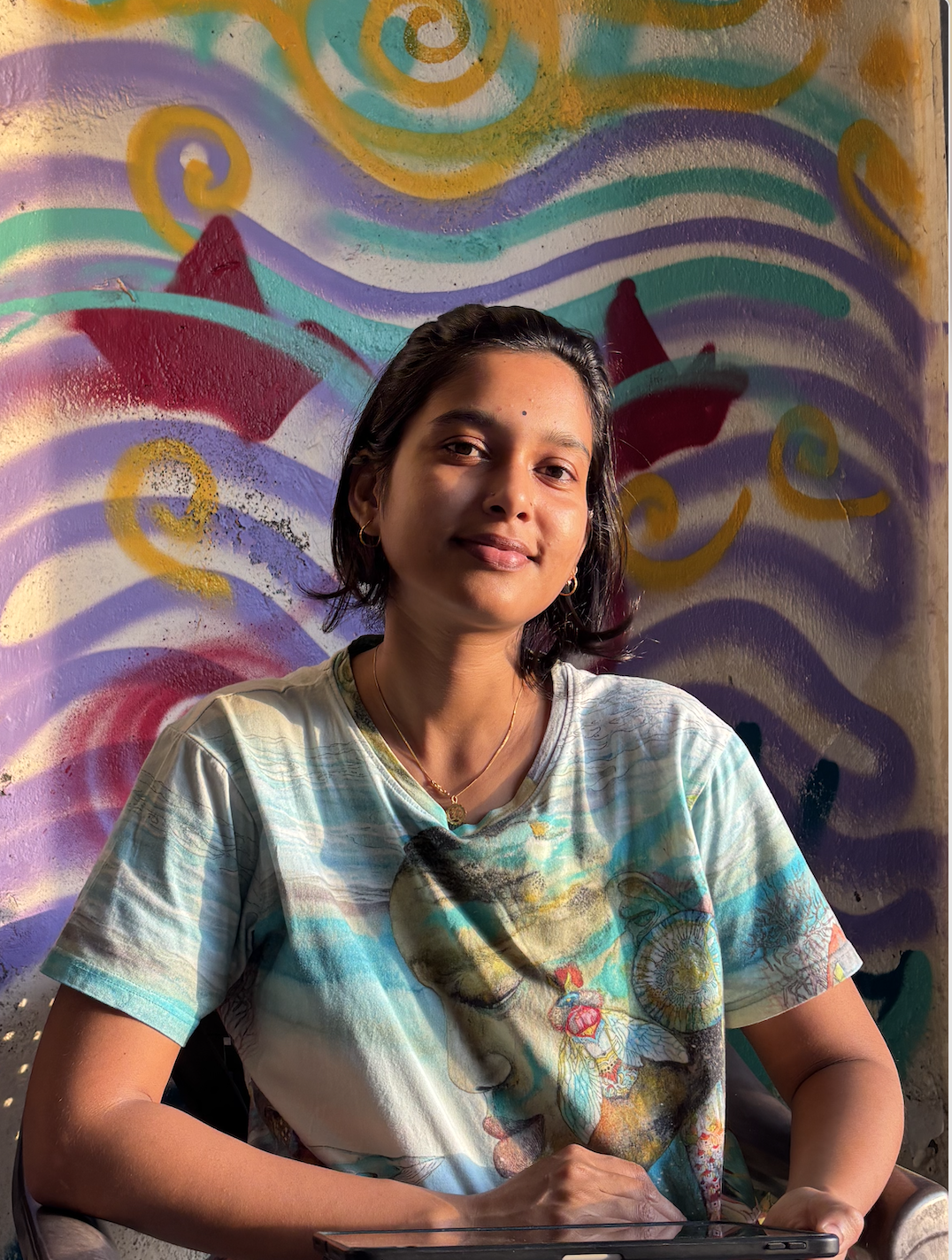
Some of the artists behind the punchlines and verses at ALT EFF 26’
FOR ONCE THE WORLD REVOLVES AROUND YOU
For a festival that brings together stories from across the world, it seems only fitting that ALT EFF doesn’t expect everyone to come to one place.
This December, three flagship cities host their own programmes of films, immersive art, workshops, performances and conversations.
📍 Mumbai | 4–6 December
📍 Ahmedabad | 11–13 December
📍 Bengaluru | 12–13 December
Not in any of these cities?
Beyond the flagships, there are in-person screenings across India, Sri Lanka and Singapore, and an online festival accessible from anywhere in the world.
Fancy having ALT EFF over at your place?
Through ALT EFF’s Watch Parties, you can even host a curated screening for your own community.
A perfectly good excuse to get the group chat to commit to something for once.
EARTH TO YOU
What makes ALT EFF particularly worth stepping out for is the sheer variety of perspectives you get to encounter. Someone else’s understanding of the world might challenge your own, introduce you to an unfamiliar idea or simply leave you with a question you hadn’t thought to ask.
And unlike the worlds we visit in most films, this is one we get to return to every day.
You might even find yourself looking up the name of that tree on your way home.
Let’s Meet the Times Together.