Ten years of Goya, one weekend at Pioneer Hall: SALT debuts in Bandra
SALT Festival returns to a heritage bungalow in Bandra on October 10 and 11, 2026. Fifty of India's finest homegrown food, drink and lifestyle brands, from Goya.


SALT Festival returns to a heritage bungalow in Bandra on October 10 and 11, 2026. Fifty of India's finest homegrown food, drink and lifestyle brands, from Goya.

On the second weekend of October, in a heritage bungalow in Bandra, some of India's most quietly ambitious food producers will spread their wares across two floors of Pioneer Hall. There will be small-batch chocolate. There will be award-winning cheese. There will be ceramics thrown by hand, lighting shaped in artisan studios, and cocktails poured by the bartenders who have spent the last five years teaching India how to drink again.
There will also be, if you know where to look for it, a decade of quiet cultural work rendered suddenly, magnificently, physical.
Goya Journal was founded in 2016 by Aysha Tanya and Anisha Rachel Oommen, two women who had met working at a food magazine in Bangalore and realised there was very little space, anywhere in the Indian media, for the kind of writing about food they wanted to do. Not restaurant reviews. Not celebrity chef profiles. Not glossy recipes stripped of context. Something quieter, and more consequential. Food as a lens onto culture, gender, politics, identity, migration. The home kitchen as an archive. The regional cuisine as inheritance.
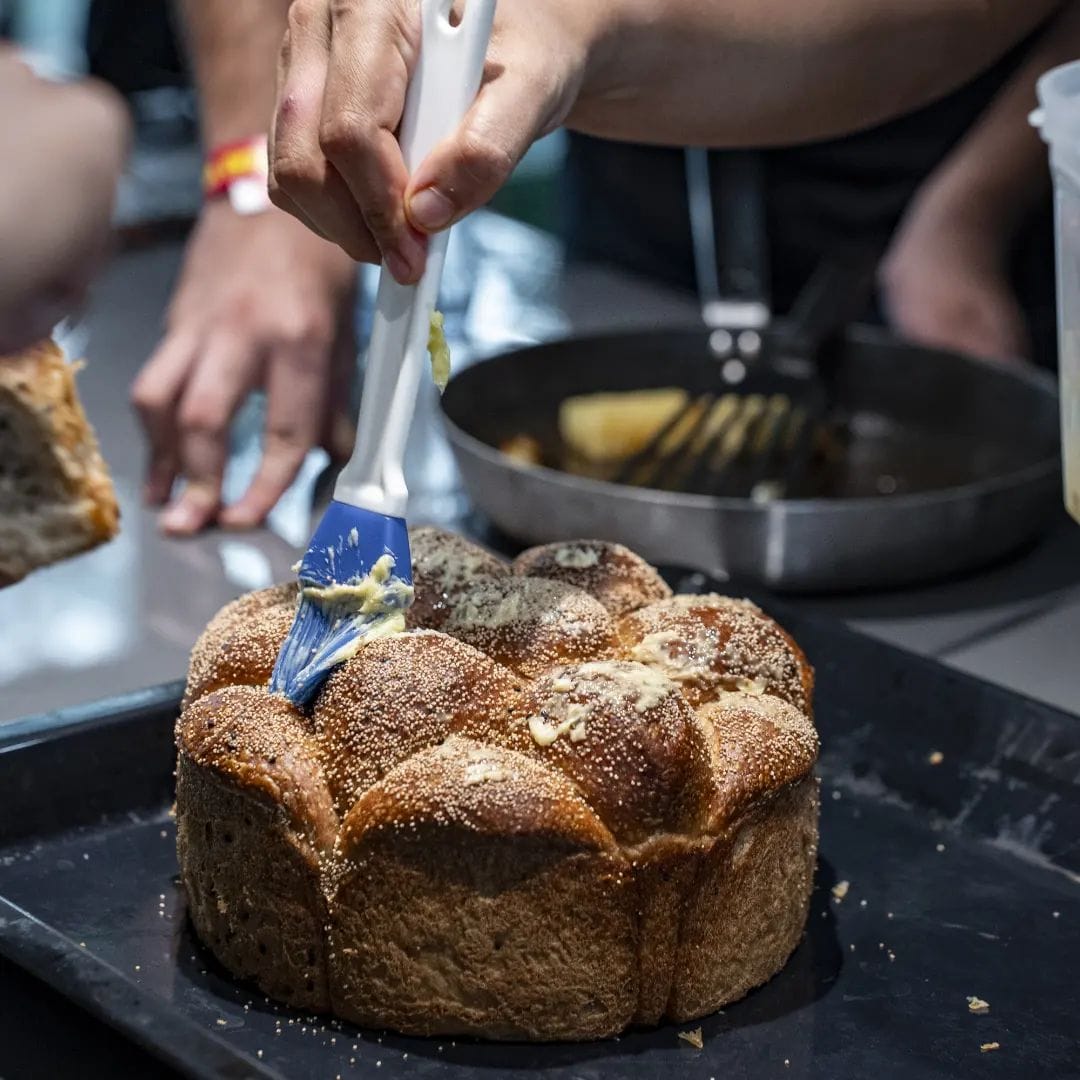
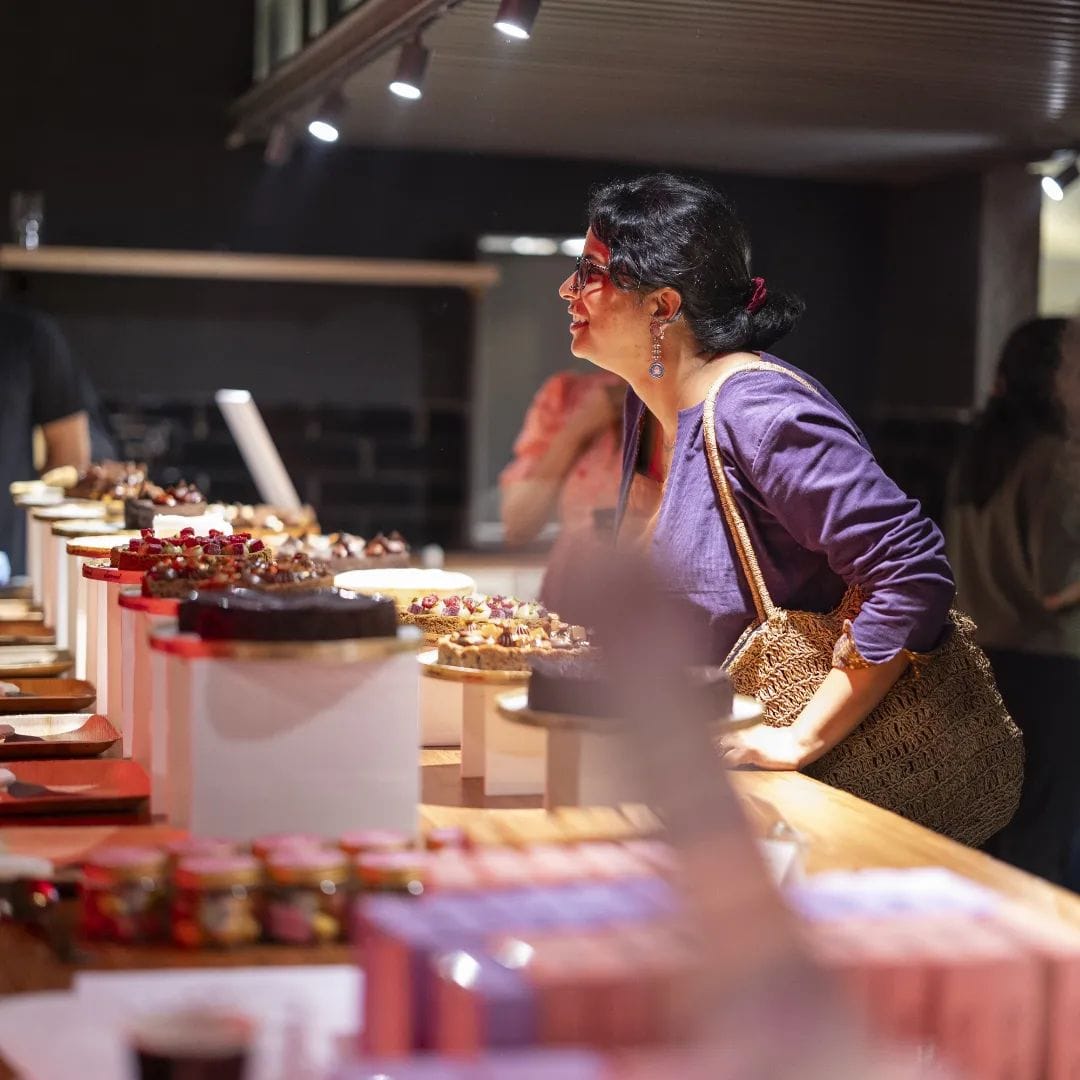
SALT is that movement made physical. Two days, one heritage bungalow, over fifty of India's best homegrown brands across food, drink, ingredients, home, and lifestyle.
The festival is organised into intersecting rooms of intent. One is given to the small-batch producers: chocolate makers, cheesemakers, coffee roasters, tea curators, the boutique winemakers who have been steadily building a proper Indian wine culture over the last decade. Another is dedicated to the objects and materials of a well-set table: ceramics, lighting, furniture, glassware, textiles, the makers whose work you would already have seen in a certain kind of Bombay drawing room.
A third room is for conversation. Goya has programmed talks and tastings across the two days on fermentation, coffee, regenerative farming, and what it takes to run a restaurant in India in 2026. Guided tastings walk visitors through fine ingredients. Workshops demonstrate techniques. Speakers include some of the country's most closely watched producers, chefs, bartenders, and farmers.
A fourth is a bar. Cocktails, boutique wines, craft beer, coffee, tea, and non-alcoholic pours from producers pushing the category forward. The kind of drinks list that says, in its own understated way, what the room around it also says: pay attention to what small-batch Indian producers are doing right now.
Book at: saltfestival.in